
Lean Into the Wind sculpture prompts questions from Bournemouth residents
The Lean Into the Wind sculpture on Bournemouth’s West Cliff has sparked debate among residents over its £54,000 cost and value as public art.
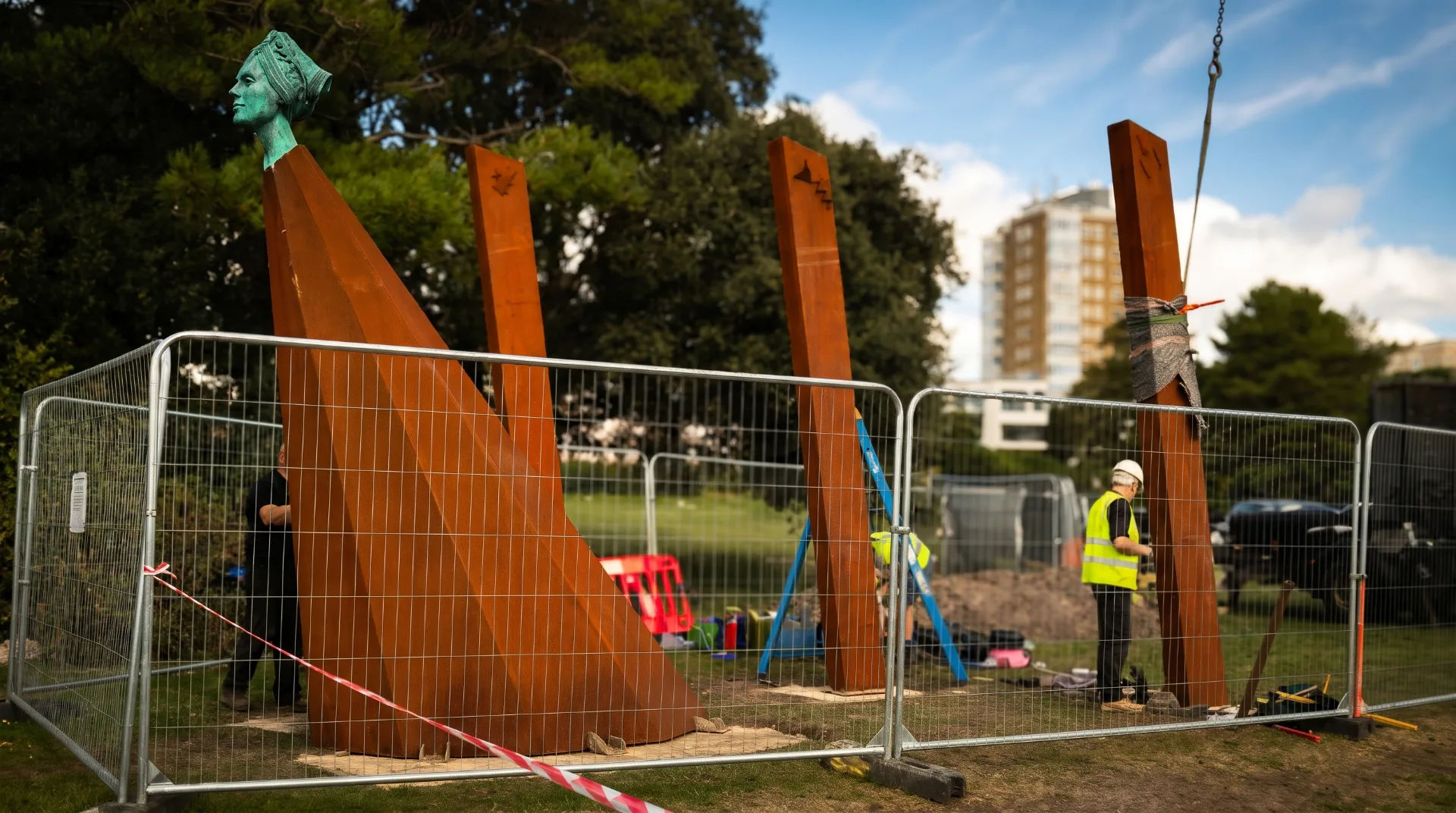
Letter: Residents are entitled to question new artwork
Lean Into the Wind Sculpture
Public art often sparks debate, especially when it involves significant public funds and prominent locations. The Lean Into the Wind sculpture on Bournemouth’s West Cliff has become a focal point for such discussion among residents. While some appreciate the ambition behind the piece, many have raised questions about its cost, design, and overall value to the community. This article explores the background of the sculpture, the funding and commissioning process, public reaction, and the broader implications for public spending in Bournemouth.
Background of the Lean Into the Wind sculpture
What is the Lean Into the Wind sculpture and where is it located?
The Lean Into the Wind sculpture is a new public art installation situated on the West Cliff promenade in Bournemouth. This area is known for its sweeping views over the sea and is a popular spot for visitors and locals alike. The sculpture, designed to interact with the coastal environment, is intended as a contemporary addition to the seafront landscape.
The West Cliff itself is a key part of Bournemouth’s extensive seafront, which stretches for seven miles and includes sandy beaches, gardens, and various attractions. The sculpture’s location was chosen to complement this vibrant coastal setting and to contribute to the ongoing regeneration efforts led by BCP Council.
How was the sculpture funded?
The funding for the Lean Into the Wind sculpture came from a UK Government grant awarded to BCP Council under the Coastal Communities Seafront Infrastructure Programme. This programme has an overall budget of £19.9 million, aimed at improving Bournemouth’s coastline with a range of projects including infrastructure upgrades, coastal protection, and public art.
The grant is ring fenced, meaning it is designated specifically for seafront improvements and cannot be used for other council services such as adult social care or education. This ensures that the money remains focused on enhancing the coastal environment and visitor experience.
Public reaction and concerns
What has been the public response to the sculpture?
Since its unveiling, the Lean Into the Wind sculpture has attracted mixed reactions. A significant number of residents have expressed disbelief and dissatisfaction, particularly regarding the £54,000 cost attributed to the artwork. Some have labelled the sculpture as controversial, questioning whether it represents good value for public money.
Concerns have been raised about the sculpture’s aesthetic appeal and whether it fits well with the character of the West Cliff area. For some, the piece appears abstract and out of place, sparking debate about the role of modern art in public spaces. Others feel that the funds could have been better spent on more practical seafront improvements or community projects.
How did the council respond to the funding concerns?
In response to public criticism, BCP cabinet member Councillor Andy Martin emphasised that the sculpture was funded by a government grant and therefore did not directly impact local taxpayers. He highlighted that the funding was part of a broader programme designed to enhance the seafront and that the sculpture was just one element of this.
However, critics point out that government grants ultimately come from taxpayers, including those in the Bournemouth area, so the money is not without cost to the public. There is also a call for greater transparency about how decisions on public art commissions are made and whether community consultation was sufficient.
Details of the funding and commissioning process
What was included in the Coastal Communities Seafront Infrastructure Programme?
The Coastal Communities Seafront Infrastructure Programme covers a wide range of projects aimed at improving Bournemouth’s coastline. These include practical investments such as enhancements to Bournemouth Pier, upgrading public toilets, refurbishing beach huts, and improving promenade infrastructure. Coastal protection measures and lifeguard facilities are also part of the programme to ensure safety and sustainability.
Within this programme, £569,833 was specifically allocated for a Coastal Heritage Trail, which aims to celebrate the area’s history and culture through public art and interpretive installations. The Lean Into the Wind sculpture is one of the artworks commissioned under this initiative.
How was the sculpture commissioned and priced?
In July 2024, BCP Council advertised a contract for two sculptures: one themed on Jekyll and Hyde to be installed at Alum Chine, and a ‘large illusion style sculpture’ for West Cliff. The contract was awarded to Circling the Square Ltd for a total of £74,000, with the Lean Into the Wind sculpture at West Cliff costing £54,000 alone.
Notably, these details were not included in the original funding bid, which has led to questions about the transparency of the commissioning process. Residents have asked why the cost was not clearly communicated from the outset and whether the selection process involved adequate public input.
The debate on public art and value for money
Why is there debate about the sculpture’s value?
Public art can enrich communities by commemorating history, enhancing public spaces, and fostering cultural engagement. However, the question raised by many Bournemouth residents is whether the Lean Into the Wind sculpture represents sound judgement and good value for public funds.
The design, scale, and cost of the sculpture were decided after the initial funding was secured, which has prompted scrutiny. Some feel that the artwork does not resonate with the community or reflect the town’s identity, while others argue that modern art should challenge perceptions and provoke thought.
What examples show successful public art in Bournemouth?
Bournemouth has several examples of public art that have become valued parts of the town’s cultural landscape. The Jon Egging memorial, dedicated to the pilot who died in a tragic air crash, is widely respected and appreciated for its emotional significance and thoughtful design.
The town also benefits from local artistic talent, including from Arts University Bournemouth, which fosters creativity and community involvement. There are opportunities to celebrate the coastline and local heritage through art that engages residents and visitors alike, blending tradition with innovation.
Broader implications for local public spending
How does ring-fenced funding affect council decisions?
Ring-fenced funding, such as the Coastal Communities grant, restricts how the money can be spent, ensuring it is used for specific purposes like seafront improvements. While this protects the funds from being diverted to other council priorities, it does not remove the responsibility of decision-makers to exercise careful judgement.
Councillors and officials must balance the desire to enhance public spaces with the need to ensure that spending delivers clear benefits and reflects community values. The Lean Into the Wind sculpture debate highlights the challenges of managing public expectations and maintaining transparency in public projects.
What is the central message from residents regarding this artwork?
Many residents feel entitled to question whether the Lean Into the Wind sculpture was the best use of public funds and whether it truly enhances Bournemouth’s coastline. The seafront is often regarded as the town’s greatest natural artwork, and any addition to it carries significant symbolic weight.
The discussion around the sculpture reflects wider concerns about transparency, accountability, and community involvement in public projects. Residents want to see clear communication about how decisions are made and assurance that public money is spent wisely to benefit everyone.
Looking ahead: public art and community engagement in Bournemouth
How can future public art projects better involve the community?
One lesson from the Lean Into the Wind sculpture debate is the importance of involving local people early in the process. Community consultation can help shape projects that resonate with residents and reflect shared values.
Engaging local artists, schools, and cultural organisations can also foster a sense of ownership and pride in public art. Bournemouth’s rich artistic scene, supported by institutions like Arts University Bournemouth, offers a strong foundation for collaborative projects.
What role does public art play in Bournemouth’s identity?
Public art contributes to Bournemouth’s identity by celebrating its history, environment, and community spirit. Thoughtfully chosen and well-executed artworks can enhance the visitor experience, support local culture, and stimulate economic activity.
As Bournemouth continues to develop and regenerate its seafront and town centre, public art will remain a key element. Balancing innovation with tradition, and cost with community value, will be essential to ensuring that artworks enrich the town for years to come.
For more about local government and community projects, see our Local government section. To explore Bournemouth’s beautiful coastline and public spaces, visit Beaches and Attractions. Learn more about the West Cliff area and its evolving role in Bournemouth’s seafront experience.
Frequently asked questions
What is the Lean Into the Wind sculpture and where can it be found?
The Lean Into the Wind sculpture is a new public art installation located on West Cliff in Bournemouth. It forms part of a wider initiative by BCP Council to enhance the seafront area. The sculpture has drawn significant attention due to its design and associated costs.
How was the Lean Into the Wind sculpture funded?
The sculpture was funded through a UK Government grant as part of the BCP Council’s Coastal Communities Seafront Infrastructure Programme. This programme has a total budget of £19.9 million dedicated to various improvements along the coastline, including infrastructure upgrades, coastal protection, and public art.
What has been the public reaction to the Lean Into the Wind sculpture?
Many residents have expressed disbelief and dissatisfaction, particularly regarding the sculpture’s £54,000 price tag. Some have described the artwork as controversial and questioned whether it represents good value for public money. This has sparked a wider debate about public spending and artistic value.
Did the sculpture cost local taxpayers money?
According to BCP cabinet member Councillor Andy Martin, the sculpture was funded by a government grant and did not directly cost local taxpayers. However, some critics highlight that government grants come from taxpayers, including locals, so the funding is not without cost to the public.
What other projects were included in the Coastal Communities Seafront Infrastructure Programme?
The programme included practical investments such as improvements to Bournemouth Pier, public toilets, beach huts, promenade infrastructure, coastal protection measures, and lifeguard facilities. Additionally, £569,833 was allocated specifically for a Coastal Heritage Trail incorporating public art.
How was the sculpture commissioned and what was its cost?
In July 2024, BCP Council advertised a contract for two sculptures: one themed on Jekyll and Hyde at Alum Chine, and a large illusion style sculpture for West Cliff. The contract was awarded to Circling the Square Ltd for £74,000, with the West Cliff sculpture alone costing £54,000. These costs were not part of the original funding bid.
Why is there debate about the value of the Lean Into the Wind sculpture?
The debate centres on whether the £54,000 spent on this particular sculpture represents sound judgement and good value for public funds. While public art can enrich communities and enhance spaces, residents question if this sculpture truly enhances Bournemouth’s coastline and if the decision-making process was transparent.
How does ring-fenced funding affect council spending decisions?
The grant money for the Coastal Communities programme was ring fenced, meaning it could not be used for other council services such as adult social care or daily operations. However, ring fencing does not remove the responsibility of decision-makers to exercise careful judgement about how the money is spent.

Comments (0)
No comments yet. Be the first to join the conversation.